
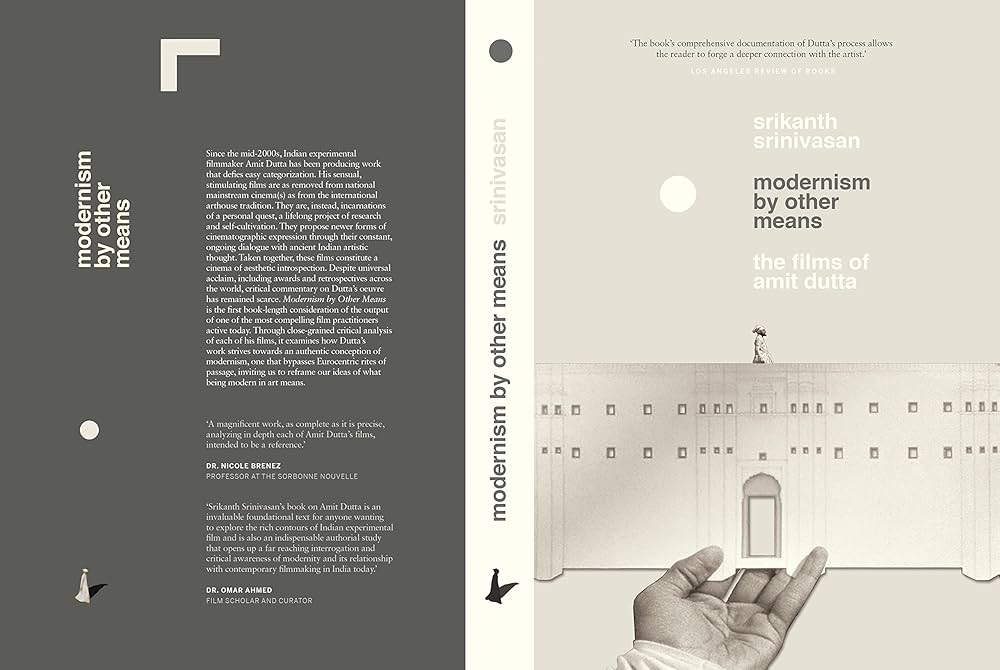
Srikanth Srinivasan is a film critic and programmer from Bengaluru, India. He has been involved in the selection of films at the Berlin Film Festival, the Berlin Critics Week and the MAMI Mumbai Film Festival. He is the author of two books, Modernism by Other Means: The Films of Amit Dutta (Lightcube, New Delhi, 2021) and Nainsukh, the Film: Still Lives, Moving Images (Museum Rietberg Zurich, 2023).
Srikanth, what was your life like before you got into programming for film festivals?
I was formally trained as an engineer – like every young Indian person, I suppose. I worked as an engineer for 11 years. I was designing microchips and circuits and so on. I was blogging about films in parallel. The blog had some following, and that was encouraging. And at some point, for many reasons, I decided to take a leap and kind of go full-time as a critic. So I quit my day job and I started writing as a freelance critic. And after a few years I had opportunities to work with film festivals as part of the selection committee, catalogue writing, moderation, and so on. So now I’m more like a film festival person than a critic. Although I do write from time to time.
So we are at the Berlin Film Festival and I want to know what you’ve done here, exactly.
So I’m what is called a program advisor. I work as a program consultant with the Forum section of the Berlinale, specializing in South Asian films. The Forum focuses on slightly experimental works. It could also be a straightforward horror film, but it has to do something interesting with the form. So it can be a mainstream film, it can be an art house film, it can be an experimental film, but it has to open up new horizons. That’s what Forum is looking for – interesting works really. My job is that of pre-selection. I watch films submitted to the Berlinale in general, but the Forum in particular. And then I recommend films so that the central selection committee can take a look and then make their selections.
 What is your Rotterdam gig like?
Over there, I work with the catalog team. I’m not involved in programming in any capacity. The programming for South Asian films is done by a superb programmer called Stefan Borsos. He lives in Germany and he works for Rotterdam as a South Asia, South-east Asia and genre film programmer. Once the films are selected, I watch them and I write text for the catalogue. I also do moderation for the Q and A sessions that take place at the end of every screening.
If somebody wanted to become a full time Srikanth Srinivasan, what would be the pros and the cons?
I assume by that you mean a programmer, a film festival person. So, the con is the money. It doesn’t pay well, like any cultural work. I don’t think there’s a single programmer in the world who makes ends meet just by programming jobs. Almost every programmer I know has either savings, or a full-time day job in academia and in other domains.
The pro is that you are really plugged into the pulse of filmmaking today. You actually get a sense of what is happening, how people think, and what young filmmakers are making around the world. It really opens your eyes every time. And it’s exciting to discover new talent, to find interesting changes of direction with established artists, and you have a direct impact on lives by making these selections. So that’s very fulfilling.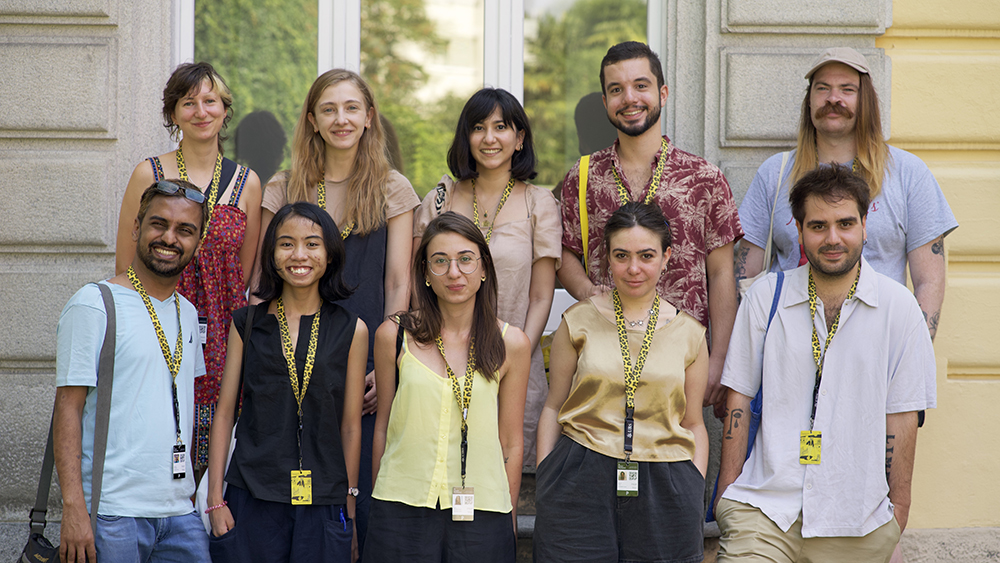
So you were involved in the selection of Members of the Problematic Family. Talk me through the selection criteria.
I don’t want to give too much away about the film, but it’s basically set around a death. It’s basically a film about a funeral of which we have many, many, many examples, especially in South India, especially in Kerala.
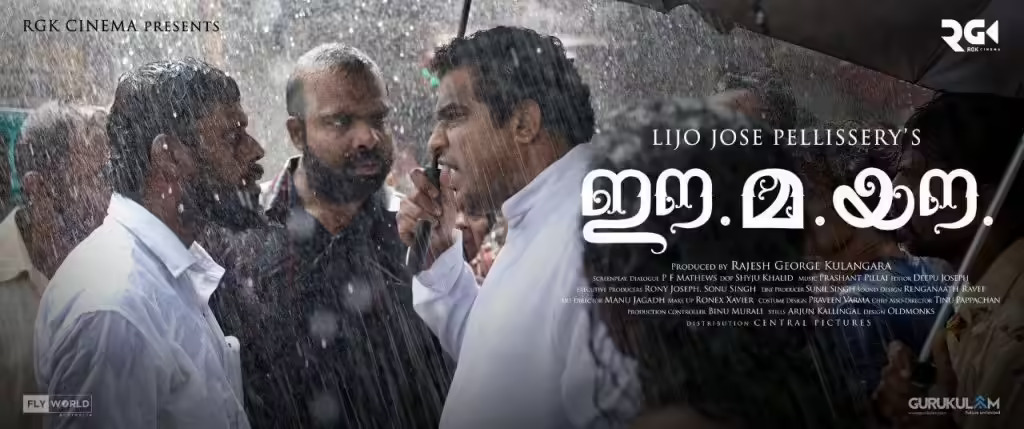
So that is not the novel aspect. Let’s compare Members to similar films that have enjoyed popularity among Cinephiles, like Ee Ma Yau or Thithi. Those films have a narrative arc that privileges communication of certain philosophical ideas, certain emotional ideas, but this film is entirely about being at this place – the truth of the moment, the truth of people, the truth of life really. It is a really unwieldy, raw and abrasive work which is wild, which is falling apart at its seams. So for me it was bracing in its form, in its ideas, in its absolutely level-headed and compassionate look at people at their worst moments. And also, there’s this exact, scientifically precise study of grief and mourning and how that manifests in the most unexpected moment. It’s such a wild work that it just blows you over just by the force of being at a place and a time.
Can you talk about another film whose selection you were involved in?
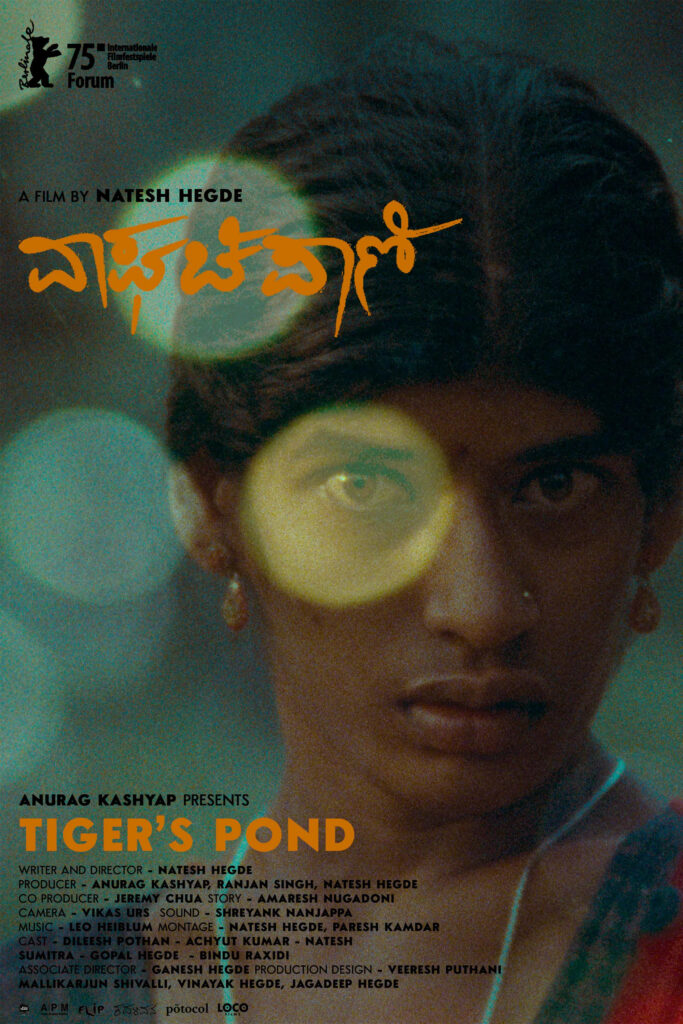
Last year we had Natesh Hegde’s Vagachi Pani from India. It’s a film that’s shot on 16 mm, and it has beautiful textures. It’s also an extension of Natesh’s first film, Pedro. It deepens the kind of world that Pedro is set in, this very feudal rural Karnataka world. And it’s about how he hints at all these evil or nefarious undercurrents in a very calm village. So for me what worked was the strength of its mise en scene, the direction I mean: the way he starts, for instance, a scene with a close up or a tracking shot. It’s very unusual, very cinephilic. I would say it has a very obviously charming quality.
But every year it’s always about comparing one work with another. It’s not about whether a film is good or bad. It’s more like whether this film would fit this particular program better. The job of the critic and the job of the programmer have lots of similarities, especially with the question of discernment and taste. But while the critic takes a look at a forest and then picks out the trees and analyzes the trees, the programmer’s job is the opposite. He/She has trees all over the place and he has to compose the forest.
Apart from obviously loving cinema, what would you say a programmer needs to have?
You should have quite a good familiarity with the history of the cinema that you’re dealing with. You have to have historical knowledge. Even though you are almost always dealing with contemporary works, they don’t appear in a vacuum. It’s a tradition. So you have to be familiar with that tradition. You also have to be open to newer forms. And if you like a film instantly, doubt that impulse. If you find yourself disliking a film, doubt that impulse. So it’s a line of work that makes you question yourself every time. You have to be open to these experiences, give the benefit of doubt to the filmmaker. And yeah, it has to speak to you in some way.
Let’s talk about doubting an impulse versus the philosophy of trusting your gut instinct. One of the chief proponents of the latter was Pauline Kael. It’s said that she never went back on her gut instinct about a film.
I don’t know. Gut instinct itself has a history, right? It doesn’t exist in a vacuum. It’s not like you’re born with a gut instinct. It depends on the kind of films that you’ve seen, and you kind of develop that gut instinct, and sometimes that can mislead you. I mean, it’s like I’ve cried in thousands of terrible movies, and I almost always cry at terrible movies, but that’s my gut instinct. But I shouldn’t go with that. Emotions are always misleading. So it’s good to go with gut instinct, but you also have to back it up with analysis, I think.
Right, but where do you draw the line between going back and forth too much about a movie? What if a movie is like whatever they say of Rahman’s music, “slow poison” or whatever it is? How many chances do you give before you say this is worthwhile?
So that’s why we have a team. There is a second person, third person who takes a look. It’s the risk that comes with the job. It’s a professional hazard of a critic and a programmer to fall flat on their face and miss masterpieces and then praise real turkeys. Right. So there are going to be those rare, hopefully rare moments of failure, of taste, really, and judgment that are going to happen and you have to embrace it, take it humbly. It’s a dialectical process of thinking with the other and so on. And that’s why so many good films don’t make it to the best festivals and so many bad films do.
If somebody wanted to enter this profession, how would they go about doing that? Whose doors would they knock?
There is no fixed path to this kind of work. Unlike a film critic who comes from a film journalism background, there is no real education here. Maybe Europe has universities where film curation, art curation and programming are taught. And most film programmers are actually people who either worked with festival coordination in a logistical capacity, who develop this taste and aptitude for programming, or people who, like me, are from film criticism. I’m not sure about Sundance, but there are many festivals in the US and around the world that are looking for pre-selectors. You can just apply. But these are invariably voluntary jobs, not paid at all. And yeah, long working hours and so on.
Even as a film critic, sometimes when I have to review, like, four movies a week or something like that, there are times I have to deliberately pull back and say, “Okay, I know this is a movie that needs a review, but I’m not going to review it today simply because my brain is a little fried”. But as a programmer, there’s a deadline and it’s relentless. You’re processing many, many, many, many entries, watching maybe five to six movies a day. How do you keep your faculties of judgment intact?
Yeah, I mean, it’s not a guarantee, but then at least the kind of programming I do comes in bursts. A festival may involve at most two or three months of work. But then you find your balance. If I get the sense that this is a film that requires closer attention and I’m not able to give it, I try to kind of take a second look or push it to the next day so that I can watch it with fresh eyes. And it’s the structure of the festival calendar that puts pressures like this. So unless you have an institutional backing that allows you to select across six or seven months, you’re always going to be working under pressure. And I suppose it is like a deadline for critics.
Finally, through your eyes, what is the quote-unquote use of film festivals?
We are talking about films that are mostly going to be seen by very few people, not by the large numbers that actually consume movies. So what is the use of having a bunch of movies that keep circulating in a, if I may, a self-propagating cinephilic, orbit.
Let me answer it from the Indian context. The first use is commercial, if you have commercial intentions at all – they can really expand your market. Most Indian films, at least South Indian films, have a distribution system that’s very sound within India, but abroad they just sell territory rights and so on.
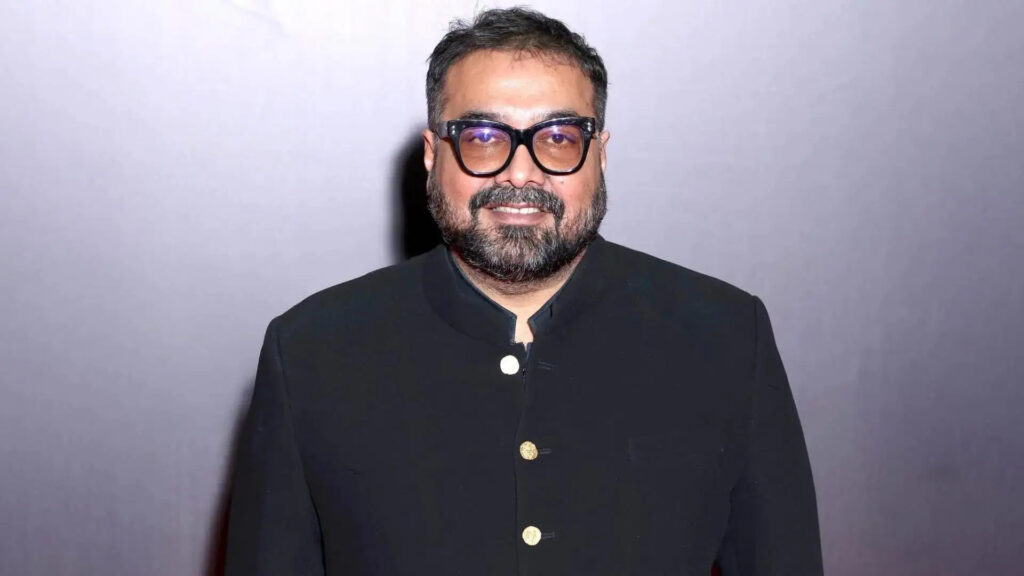
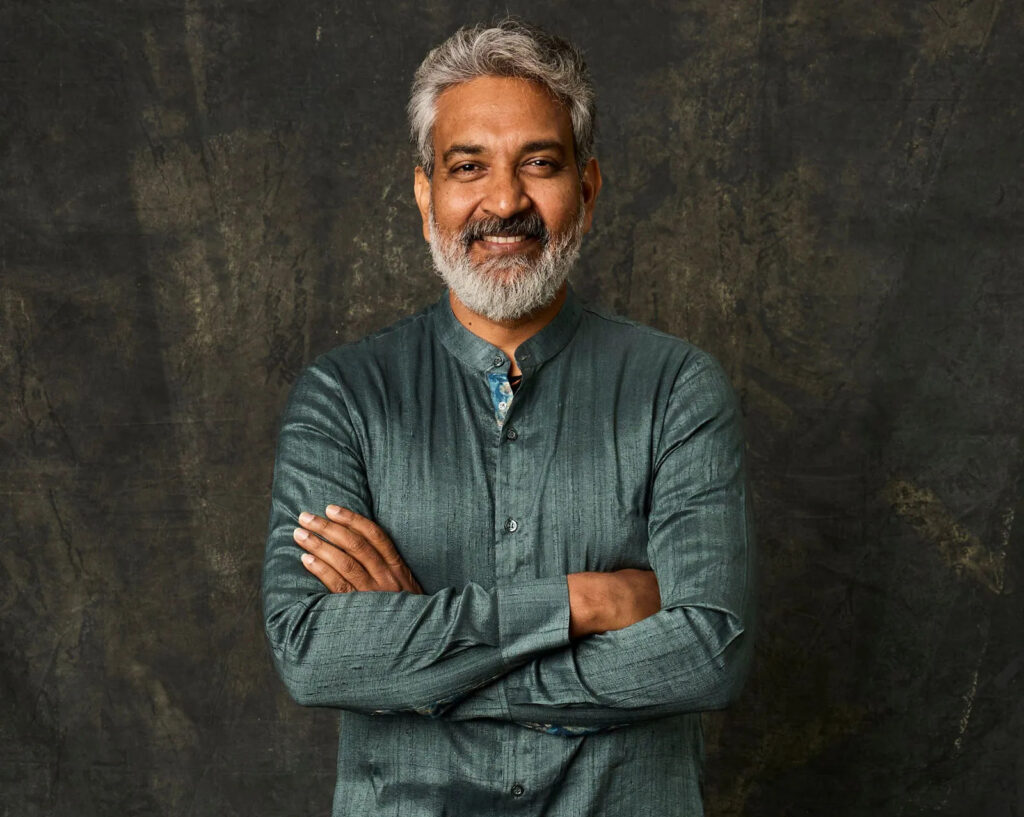
But when you are at a film festival in the west for instance, and you’re making the effort to break through, you can actually find distributors for local countries which are much more lucrative than this blanket distribution. And as far as I’ve heard, this kind of outright distribution sales to overseas companies, they maybe get like two screens in the whole of the Netherlands and it’s called a “Netherlands premiere”, but with a dedicated programmer who’s buying your rights for a particular country, you get better paid, you get better distribution, you get a better audience and you cultivate an audience just as an Anurag Kashyap or a Rajamouli have done.
 But even if your film doesn’t have any commercial prospects, you’ve made something and you need an audience. And festivals are a means to get an audience, to have so many people look at you and then recognize this talent. For an artist, I’m sure that means a lot. Finally, there is definitely a failure that we don’t have independent distribution and exhibition systems in India. These are small films that can find distribution, even commercially, in Europe – and we don’t have in India. There is this idea that after a film shows at a festival, it’s going to be buried, which is unfortunately the case right now. But it need not be so. I see multiple uses of festivals, but mainly, they make a lot of artists feel seen. We should not underestimate that.