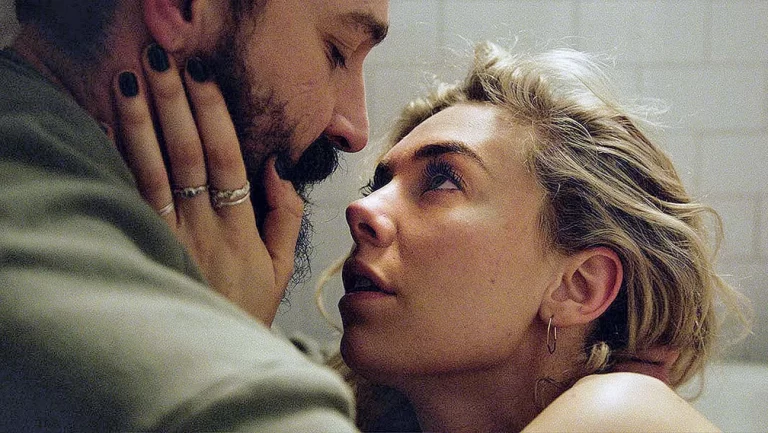
 The first time I covered the Berlin International Film Festival was in 2015. I got trolled endlessly about watching Fifty Shades of Grey on an IMAX screen (a world premiere, if I’m remembering right) – but it wasn’t just me. Every critic from every respectable publication from every country who was here made it to that screening. Back then, I was a newbie to international film festivals. I had only attended the Indian ones, which were (and still are) all serious about capital-A art. So I went to those festivals to see the kinds of films one would not see in regular theatres. (Then, as now, many of these “festival films” do the festival circuit and then vanish into a mysterious black hole.) But here was Fifty Shades of Grey, and I understood two things. One, from the festival’s point of view, it is important to have these big-ticket mainstream movies that will make some noise on the red carpet by bringing in some big-star glamour, which is what will get covered big-time by the international photo-press.
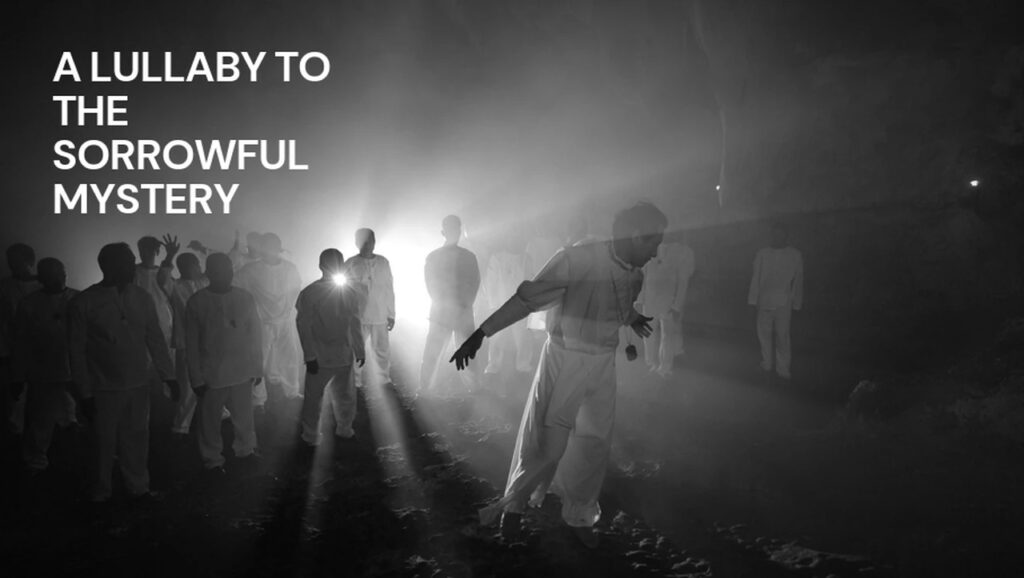
Two, from the point of view of those covering the festival, fluff like this is a welcome change from the grim art-house movies which are, of course, the reason these festivals exist. In 2016, the Berlinale screened Lav Diaz’s A Lullaby to the Sorrowful Mystery, which ran some eight hours. The press screenings are held at this beautiful theatre / auditorium called Palast, and that venue was booked the whole day for this drama about the search for bodies of Filipino revolutionaries. (I’m being very reductive in this plot synopsis.) Lullaby started at 9.30 am, after which there was a one-hour break, and then the film continued until about 7 pm. For those who braved this stretch of what’s called “slow cinema”, I guess some brain-rot mainstream entertainment, the next day, would be fifty shades of fun. I put slow cinema in quotes because the term isn’t something everyone agrees with. At the post-screening press conference, Lav Diaz complained: “We’re labeled ‘the slow cinema’ but it’s not slow cinema, it’s cinema…”
 And now, for some drama! At least from an Indian standpoint, the big news was Arundhati Roy’s decision to boycott this edition of the festival. She was supposed to be here to present a restored version of In Which Annie Gives It Those Ones, the 1989 feature film she wrote. (The way this film came together is narrated beautifully in Arundhati’s memoir, Mother Mary Comes To Me.) But she backed out when she heard what the Jury members said when they were asked about the war in Gaza and about Germany’s support for Israel, Jury President Wim Wenders said that cinema should stay out of politics. He said, “We have to stay out of politics because if we make movies that are dedicatedly political, we enter the field of politics… But we are the counterweight of politics, we are the opposite of politics. We have to do the work of people, not the work of politicians.” I think what he meant to say was that the jury of a film festival cannot tell governments what to do, what not to do. But the statement was worded rather unfortunately. It sounded like this Jury did not want to take a stance.
And that, sometimes, happens when someone is put on the spot. The right words don’t come out. The Polish producer Ewa Puszczyńska, a member of the jury, fared better in her response. She called the question’s framing “unfair”. She said, “Of course, we are trying to talk to people and make them think, but we cannot be responsible for what their decision would be, to support Israel or to support Palestine… There are many wars where genocide is committed, and we do not talk about them… so this is a complicated question and it’s a bit of an unfair question.” She’s right. Wenders added that the bulk of the 200-odd feature films and documentaries in the Berlinale programme will address the impact of geopolitical turmoil and human rights struggles around the world. “Cinema has an incredible power of being compassionate and empathetic,” he said. “The news is not empathetic. Politics is not empathetic, but movies are. And that’s our duty.” This, finally, is a statement I think most people can get behind.