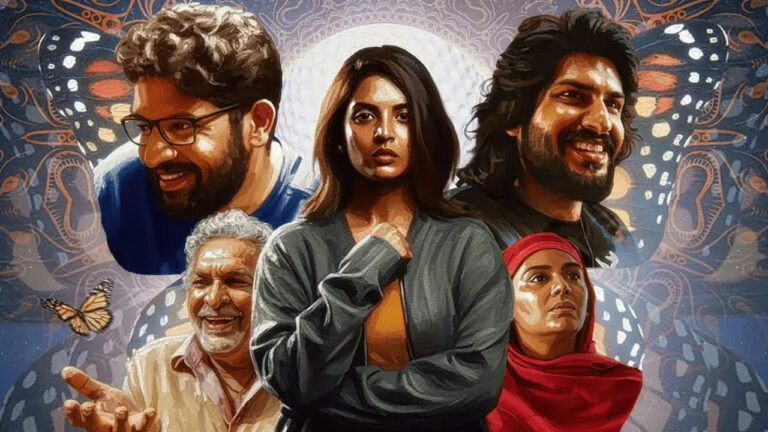
A family of four is headed by a farmer who is always angry with his older son. And then something happens that’s likely to make the father angrier – unless the son can fix things in time. Even with some tonal issues, this is a sincerely narrated story. That’s the short take. A longer review follows, and it may contain spoilers.
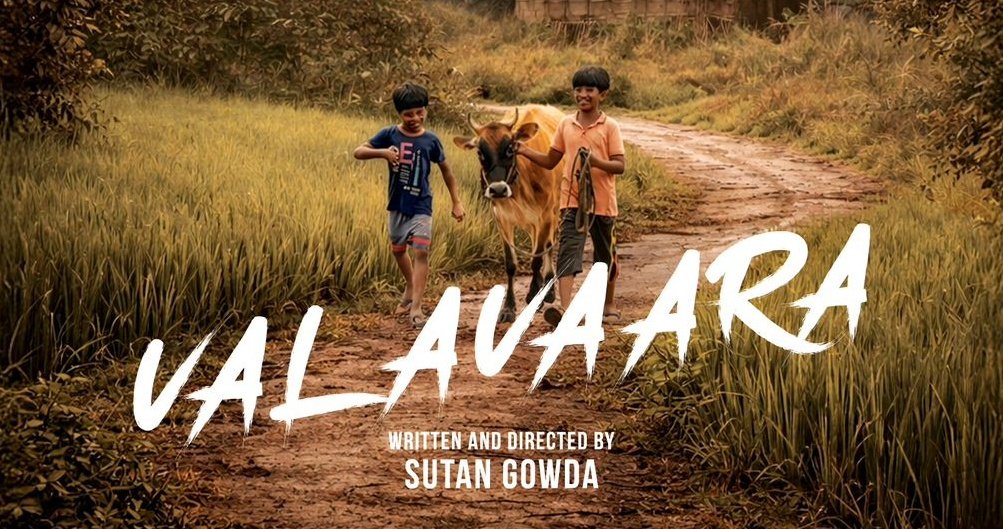
This story is centred on a family of four. The unnamed father and mother are played by Malathesh and Harshitha Gowda. The older son is Kundesi and the younger is Kosudi, played by Vedik Kaushal and Shayan. The title refers to partiality, in the sense that the father is partial to Kosudi. He seems to be more affectionate with this kid, while Kundesi is his mother’s pet. But this is not the simple equation you find in many homes, with one kid being closer to or more loved by one parent. The father is a farmer. There’s no money for groceries. The kids wear hand-me-down clothes from kids with more money. But it’s more than just poverty. In the mornings, the father kicks Kundesi awake. The father yells at Kundesi for playing cricket because cricket won’t fetch them food. The father slaps Kundesi when the younger brother gets hurt in a cops-and-robbers game they were playing.

Kundesi asks his mother why his father hates him. The boy dreams of strong arms that will one day help him punch his father. His mother tells him that anger is a sin. Kundesi asks her to say this to her husband. She says, “If he listened to me, why would I tell you?” She knows her husband well. The film that follows is wonderfully open-ended. You think that the final stretch will bring about reconciliation or closure, but writer-director Sutan Gowda does something smarter and more heartfelt. He gives us the reason for the father’s anger, and we understand that this is not the kind of problem that can be neatly resolved in a two-hour movie. It is something dysfunctional. It is something generational. It will take its time, and maybe one day, Kundesi himself will turn out to be an angry father. These parts of Valavaara work well.
What doesn’t work as well is the big comedic stretch in the middle – even if this comedy is laced with desperation. It involves the family’s cow, which is about to give birth. It’s not hard to guess what’s going to happen to the animal, and the switch to a quirky tone with a quirky background score seems at odds with the dramatic nature of the opening and closing portions. Kundesi spends a lot of time with a young man named Yadhu (Abhay), and their misadventures seem to belong in a different movie. Perhaps the intent was to play around with multiple tone shifts, but the execution trivialises Kundesi’s plight and it reduces the looming threat of his father’s anger. These incidents are also not very interestingly written. But along with the earnest performances, Valavaara remains watchable because of its depiction of humanity in all its shades – or at least, in all its characters.
At one point, Kundesi’s mother borrows money from a neighbour, and later remembers that it is the boy’s birthday and maybe he’d like a cake, and so she returns to the neighbour to ask for more money. The first time she borrowed money, it was for a necessity. The second time, it’s for a luxury. But it doesn’t seem that way to her. We keep returning to the issue of money. A well-off man says he has no cash but the person who needs money from him does not have a bank account and cannot accept an online payment. Kundesi gives his mother some money that his relatives have given him, because even at this young age, he senses that she needs it more than he does. Yadhu blackmails a man for money. And on and on it goes, with no end in sight. With better writing and a more consistent tone, Valavaara may have really become something. But even in its current form, the film’s sincerity shines through.